
Motion Murals for Public Spaces: Dynamic Visual Art Guide
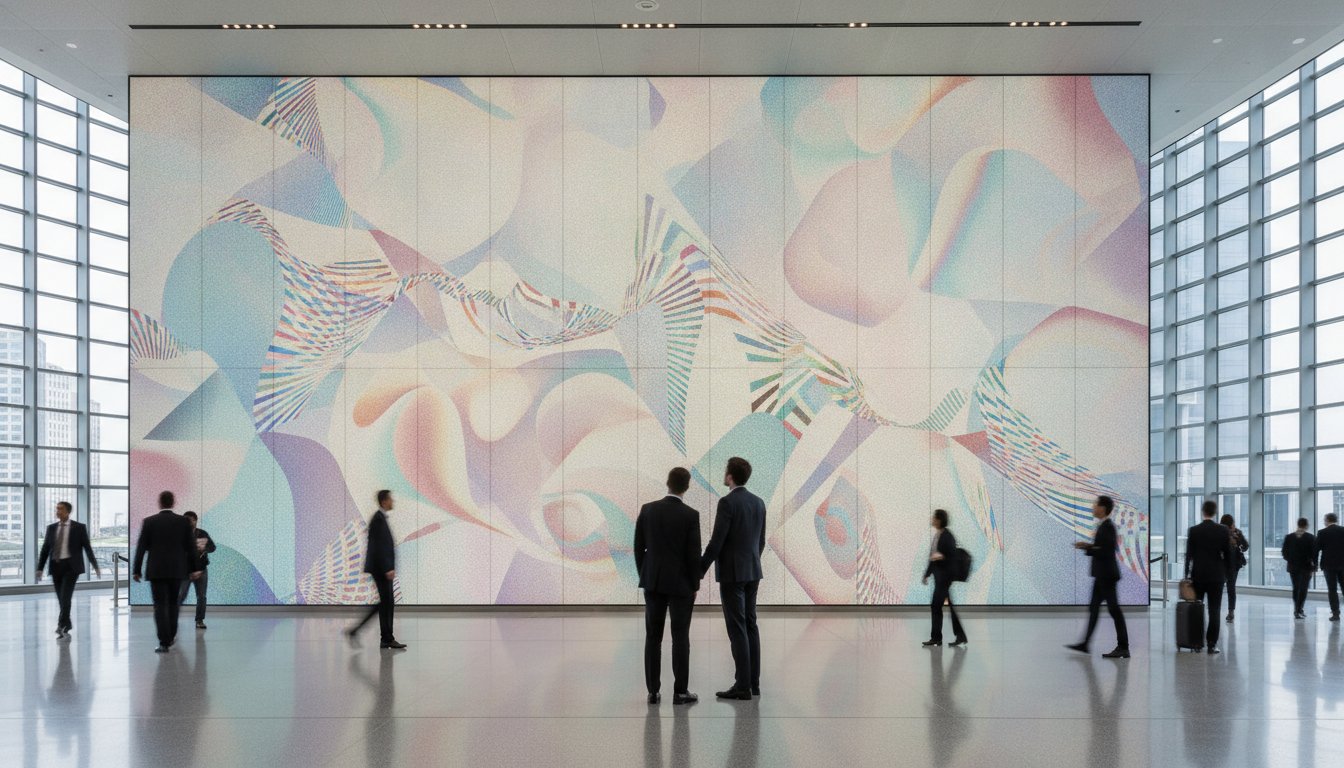
What if the most captivating visual experience in your city didn’t require a single pixel, a power cord, or a maintenance crew? In a world where busy commuters often ignore even the most vibrant static art, the challenge for architects and city planners is no longer just visibility; it’s engagement. You’ve likely felt the frustration of watching a beautiful mural blend into the urban background as just another quiet wall. It’s time to reimagine the surface as a living participant in the pedestrian journey.
This guide reveals how motion murals for public spaces transform static environments into interactive, viewer-activated experiences using large-format lenticular technology. By leveraging the natural movement of the passerby, these installations create a sense of wonder without the light pollution or technical fragility of digital screens. We’ll explore the transition from two-dimensional art to multi-dimensional landmarks, drawing on Softmotion’s experience delivering over 1,000 projects since 1997. You’ll learn how to choose the right kinetic effects and ensure long-term durability in demanding outdoor conditions.
Key Takeaways
- Understand how motion murals shift the urban art paradigm from a static destination to a dynamic, viewer-activated experience that responds to human movement.
- Explore the technical advantages of choosing motion murals for public spaces to achieve kinetic effects without the high maintenance or energy demands of digital screens.
- Learn how large-format lenticular technology isolates multiple images to create seamless transitions and illusions of depth as pedestrians walk past the installation.
- Discover how to utilize custom prototypes to mitigate risk and ensure the precision of your visual narrative before moving to full-scale fabrication.
- Identify high-impact applications in transit hubs and corporate environments where kinetic art can guide pedestrian flow and transform transition zones into memorable landmarks.
Redefining the Public Canvas with Motion Murals
The urban environment is a cacophony of signals. Between digital billboards and flashing traffic lights, the traditional static mural often fades into the visual white noise of the city. We’re witnessing a fundamental shift in how we approach the public canvas. It’s no longer enough for art to simply exist; it must engage. By choosing motion murals for public spaces, developers and city planners can turn passive walls into interactive narratives that respond to the movement of every passerby.
A motion mural is a viewer-activated optical experience that changes based on your physical location. This approach moves beyond the concept of art as a static destination. Instead, it creates art as an experience, where the pedestrian becomes the catalyst for the work’s evolution. By utilizing the technology of lenticular printing, these installations bridge the gap between fine art and technical precision. They offer a multi-dimensional journey without the need for power or digital screens, providing a low-maintenance solution for creative placemaking that gives communities a unique visual anchor.
The Evolution of the Public Wall
Public art has a storied history of storytelling and social commentary. Traditional Mexican Muralism proved that walls could be powerful tools for education and identity. Today, environmental graphics have evolved even further to meet the demands of high-stimulation urban hubs. In modern transit-oriented development, “Scenes in Motion” are no longer a luxury but a requirement for creating vibrant, navigable spaces. These dynamic installations significantly improve the psychological landscape of a city. They increase dwell time and enhance pedestrian safety by making transition spaces feel watched, cared for, and intentional.
Why Interactivity Matters in Public Spaces
Engagement is the currency of the modern city. When art requires the viewer to move to see the full story, it shifts the relationship from passive observation to active participation. This physical involvement creates a deeper emotional resonance with the viewer. It also generates the “Instagrammable” moments that drive tourism and social sharing, turning a simple corridor into a global landmark. By inviting the public to play a role in the art’s manifestation, we foster a stronger sense of community identity and shared space. This collaborative energy transforms a simple walk into a memorable event.
The Technology Behind Viewer-Activated Motion Murals
The magic of motion murals for public spaces lies in a sophisticated marriage of geometry and optics. While digital screens rely on pixels and power, these analog installations use large-format lenticular printing to create a living surface. This technology functions as an engine of motion, where the physical lens acts as a gatekeeper for the human eye. By precisely aligning sliced images behind a series of semi-cylindrical lenses, we can ensure that a viewer only sees a specific perspective of the artwork from a particular angle. It’s a controlled visual journey that rewards the movement of the pedestrian.
This approach finds its roots in the Agamograph, a historical predecessor named after artist Yaacov Agam, which used folded, zigzag surfaces to show different images. Modern technology has refined this concept. We’ve moved from primitive folds to high-resolution lenticular sheets that can scale to massive architectural walls. Translating a small-scale 3D effect to a fifty-foot public installation requires extreme technical discipline. Every lens must be perfectly seated to ensure the transition between images remains fluid rather than jarring. If you’re curious about the technical specifications of these materials, you can explore Lenticular Samples to see the precision firsthand.
Lenticular vs. Traditional Paint
Static paint is limited to a single state of being. Lenticular surfaces, however, offer the unique ability to show “Before and After” or “Day and Night” on the exact same surface. This transformation happens instantly as the viewer walks past. Beyond the visual impact, durability is a primary concern for any outdoor installation. We utilize UV-stable large format lenticular sheets designed to withstand the rigors of public environments, ensuring the colors remain vibrant and the lenses stay clear for years. For a deeper dive into material selection, consult the architect’s guide to large format lenticular printing.
Creating the Illusion of Kinetic Movement
Designing for a moving audience requires a deep understanding of human pace. We use frame-by-frame animation techniques that are specifically calibrated for pedestrians walking at average speeds. The “pitch” or the number of lenses per inch is critical here. In vertical public installations, the orientation of these lenses must be perfectly vertical to trigger the motion effect as someone walks horizontally along the wall. The viewer’s walking speed dictates the mural’s animation, turning a simple stroll into a rhythmic cinematic experience. This natural synchronization makes the art feel like a personal performance for every individual who passes by.
Why Analog Motion Murals Outperform Digital Screens
While digital displays offer undeniable versatility, they often introduce a cycle of consumption and maintenance that can drain municipal budgets. Motion murals for public spaces provide a sophisticated, low-impact alternative. They function as living art without the need for a single watt of electricity. This zero-energy profile eliminates electronic waste and removes the ongoing cost of utility bills. By choosing an analog solution, planners can invest in a permanent asset that remains functional and beautiful for decades, regardless of power outages or technical glitches.
The absence of electronics means there are no pixels to burn out, no software to update, and no complex wiring to troubleshoot. Where a digital screen creates a barrier of glass and light, an analog mural invites a physical connection. It maintains the tactile warmth of traditional materials while providing the same dynamic engagement. This blend of artistic sensibility and technical reliability makes lenticular installations a superior choice for long-term urban planning. For a deeper understanding of how this approach translates across different built environments, explore architectural visual storytelling through kinetic lenticular technology and how it transforms static corridors into immersive narratives.
The Problem with Digital Signage in Public Art
Light pollution is a growing crisis in our cities, disrupting urban wildlife and invading the privacy of residential districts. Digital screens emit a constant, artificial glow that can feel sterile or overwhelming. Pedestrians often experience “screen fatigue,” a subconscious dismissal of digital content as just another advertisement. Physical textures feel grounded and authentic. From a legal standpoint, analog murals frequently bypass the strict regulatory hurdles placed on digital billboards. Because they don’t emit light or change independently of the viewer, they’re often classified as traditional signage, which simplifies the permitting process in historic or protected areas.
Durability in Harsh Environments
Public installations must endure extreme conditions that would compromise sensitive electronic components. Lenticular surfaces are engineered for resilience. They resist direct sunlight, high humidity, and temperature fluctuations that would cause LED pixels to fail or hardware to overheat. Maintenance is straightforward and cost-effective. Cleaning a lenticular wall doesn’t require specialized technicians; it’s as simple as washing a window. If graffiti occurs, the surface can be treated with standard cleaning agents without the risk of short-circuiting a wiring harness. This inherent toughness ensures that the work remains a vibrant landmark rather than a broken screen.

Designing for the Commuter: Applications in Transit and Urban Hubs
Designing for a commuter requires a fundamental shift in perspective. In high-traffic environments, art isn’t just a decoration; it’s a vital tool for spatial management. Motion murals for public spaces excel in these settings because they respond to the velocity of the audience. A pedestrian walking toward a platform sees a different visual sequence than a passenger viewing the same wall from a moving train. This responsiveness turns a routine journey into a series of engaging discoveries, making the environment feel personal and alive.
Transit hubs are often high-stress zones where people feel rushed or anonymous. Kinetic art can soothe this anxiety by providing a rhythmic visual anchor. It guides the eye and, by extension, the body, helping to regulate the flow of crowds. In corporate lobbies, these dynamic surfaces transform transition spaces into sophisticated brand storytelling platforms. They communicate complex values through subtle shifts in color and form, ensuring that the first impression is one of innovation and depth. Luxury retail environments use similar techniques to stop foot traffic, utilizing perspective shifting wall art that changes as a shopper approaches to create an irresistible pull toward the entrance.
Public plazas benefit immensely from activating blank facades. By turning a dead wall into a moving canvas, we create “eyes on the street.” This urban planning concept suggests that spaces feel safer when they appear occupied and cared for. A wall that reacts to a passerby signals that the environment is responsive and intentional. If you’re looking to activate a specific site, our Architectural Lenticular Installations provide a proven framework for turning these visionary concepts into durable reality.
Case Study: The SODO Track and Beyond
The SODO Track project illustrates how murals viewed from moving trains require a unique design logic. Designers must account for parallax, which is the effect where objects appear to move at different speeds based on their distance from the viewer. This principle is central to kinetic advertising displays, where high-impact motion is essential to capture the attention of a fleeting audience. By calculating the average speed of the train, we can calibrate the lenticular “pitch” to deliver a smooth, cinematic animation that unfolds perfectly across the carriage windows.
Wayfinding Through Motion
Beyond aesthetics, motion murals serve a functional purpose in wayfinding. Color shifts can indicate specific directions or zones within complex public buildings, acting as intuitive landmarks in a “legible city” design. We can integrate text or iconography that only appears when a viewer reaches a certain threshold or angle. This allows for a clean, minimalist aesthetic that provides information exactly when it’s needed, reducing visual clutter while enhancing the visitor’s ability to navigate large-scale environments with ease.
From Vision to Installation: The Softmotion Approach
The transition from a two-dimensional concept to a multi-dimensional public landmark requires more than just artistic intent; it demands technical discipline and a partner who understands the nuances of large-format fabrication. Since 1997, Softmotion has acted as a visionary guide for architects, artists, and city planners. We’ve delivered over 1,000 projects, converting static surfaces into dynamic experiences for Fortune-500 companies and global architectural firms. Our end-to-end approach ensures that every project involving motion murals for public spaces is treated with the precision of a fine art print and the structural integrity of a permanent building component.
Our process begins with a deep collaboration, where we align the creative goals of the artist with the technical realities of the site. We don’t just print; we engineer motion. By managing every stage of production in-house, we maintain total control over the alignment and pitch of the lenses. This is the most critical factor in a successful installation. We bridge the gap between a broad, imaginative concept and a concrete, logical conclusion, ensuring that the final result has the scale and emotional resonance your audience deserves. This commitment to architectural visual storytelling means every surface we create communicates a purposeful kinetic narrative rather than simply filling space.
The Prototyping Phase
A digital render can suggest a concept, but it cannot replicate the physical sensation of an analog motion effect. This is why custom lenticular prototypes are non-negotiable for large-scale commissions. We produce physical samples to test viewing angles, color shifts, and specific lighting conditions on-site before full production begins. This risk-free process ensures the artist’s vision translates perfectly to the lenticular medium, allowing stakeholders to experience the kinetic movement firsthand. To understand how we scale these tests for massive facades, see our architect’s guide to custom lenticular prototypes.
Global Installation Expertise
Realizing a vision on a global scale involves complex logistical management. We navigate the intricacies of international shipping and site coordination to ensure every panel arrives in perfect condition. Our team collaborates closely with local installers and site managers, providing the technical clarity needed for a seamless finish. We manage the journey from the first sketch to the final assembly, removing the risks typically associated with complex kinetic art. The result is a dynamic landmark that functions exactly as intended, providing a reliable and inspiring experience for the public from the moment it’s unveiled. This methodical approach ensures that motion murals for public spaces are not just art, but enduring pieces of urban infrastructure.
Transforming the Urban Narrative
The transition from a static urban environment to a responsive, multi-dimensional landmark is a journey of both art and engineering. By integrating motion murals for public spaces, you move beyond mere decoration and create a living dialogue with every pedestrian. We’ve explored how analog lenticular technology offers a sustainable, low-maintenance alternative to digital signage, providing a permanent visual anchor that respects the local environment while maximizing engagement. This approach ensures your project remains a vibrant destination for decades without the technical fragility of electronic displays.
Achieving this level of precision requires a partner who understands the path from a broad concept to a concrete reality. Softmotion has been a specialist in this field since 1997, delivering over 1,000 projects with a commitment to craftsmanship and collaborative care. We utilize custom prototyping for every architectural project to ensure the kinetic effects resonate exactly as intended. It’s time to turn your blank canvas into an unforgettable experience. Transform your public space with a custom motion mural from Softmotion and lead your community into a new era of interactive art.
Frequently Asked Questions
What is a motion mural and how does it work without electricity?
A motion mural is a viewer-activated optical experience that transforms a static surface into a dynamic narrative. It functions through the precise application of lenticular lenses, which isolate multiple images based on the viewer’s physical angle. As a pedestrian walks past, the mural appears to shift or animate. This purely analog process requires zero electricity, relying instead on the natural movement of the human body to reveal its hidden layers.
Can motion murals be installed outdoors in extreme weather conditions?
Yes, these installations are engineered specifically for the rigors of the urban environment. We utilize UV-stable, large-format lenticular sheets that maintain their clarity and structural integrity despite extreme temperature fluctuations or high humidity. Unlike digital screens that risk hardware failure in direct sunlight, motion murals for public spaces remain vibrant and functional. This durability ensures that the artwork remains a permanent, high-quality landmark regardless of the local climate or seasonal shifts.
How much does a large-format lenticular mural cost compared to a traditional mural?
Lenticular installations represent a sophisticated investment in architectural art. While the initial fabrication costs are higher than traditional paint due to the specialized materials and technical precision required, the long-term value is significant. You bypass the recurring expenses of energy consumption, software licensing, and hardware replacement associated with digital signage. By choosing a permanent analog solution, you create a high-impact destination that maintains its visual resonance without the ongoing operational burden.
Are motion murals resistant to graffiti and vandalism?
These installations are remarkably resilient against the challenges of public environments. The durable lens material acts as a protective shield for the underlying artwork, resisting impact and scratches more effectively than standard commercial surfaces. We can apply specialized anti-graffiti coatings that allow for easy removal of paint or markers without damaging the optical properties of the lens. This inherent toughness makes them a practical choice for high-traffic areas where vandalism is a concern.
How do you clean and maintain a lenticular wall installation?
Maintenance is refreshingly straightforward and requires no specialized technical knowledge. You can clean a lenticular wall using standard, non-abrasive cleaning solutions and water, much like maintaining high-end architectural glass. There are no pixels to replace, no wiring to inspect, and no software to update. This simplicity ensures that your motion murals for public spaces stay pristine and engaging with minimal effort, allowing the focus to remain on the art rather than the upkeep.
What is the maximum size for a lenticular motion mural?
There is virtually no limit to the scale of a motion mural. We achieve massive architectural coverage by precisely tiling multiple lenticular panels into a seamless, unified display. Whether you’re transforming a small transition corridor or a fifty-foot exterior facade, our fabrication process ensures that the motion effects remain synchronized across the entire surface. This modular approach allows for total creative freedom in redefining the scale of public art within urban landscapes.
Can any artist design for a motion mural, or do they need special training?
We act as a collaborative partner to ensure any artist can successfully transition their vision to this multi-dimensional medium. While the logic of frame-by-frame animation is specialized, our team provides the technical guidance needed to adapt traditional or digital artwork. We manage the complex slicing and alignment processes, allowing the artist to focus on the creative narrative. This partnership transforms an imaginative concept into a technically perfect installation that respects the original artistic intent.
Do motion murals require special lighting to be effective?
Motion murals are designed to perform beautifully under standard ambient lighting conditions. They don’t require internal illumination or complex power systems to reveal their kinetic effects. Whether installed in a sun-drenched public plaza or a well-lit transit hub, the lenses utilize available light to create depth and movement. We test these lighting variables during our custom prototyping phase to ensure the visual impact is optimized for the specific environmental conditions of your site.