
Elevating Corporate Identity: The Guide to Lenticular Lobby Art Installations in 2026
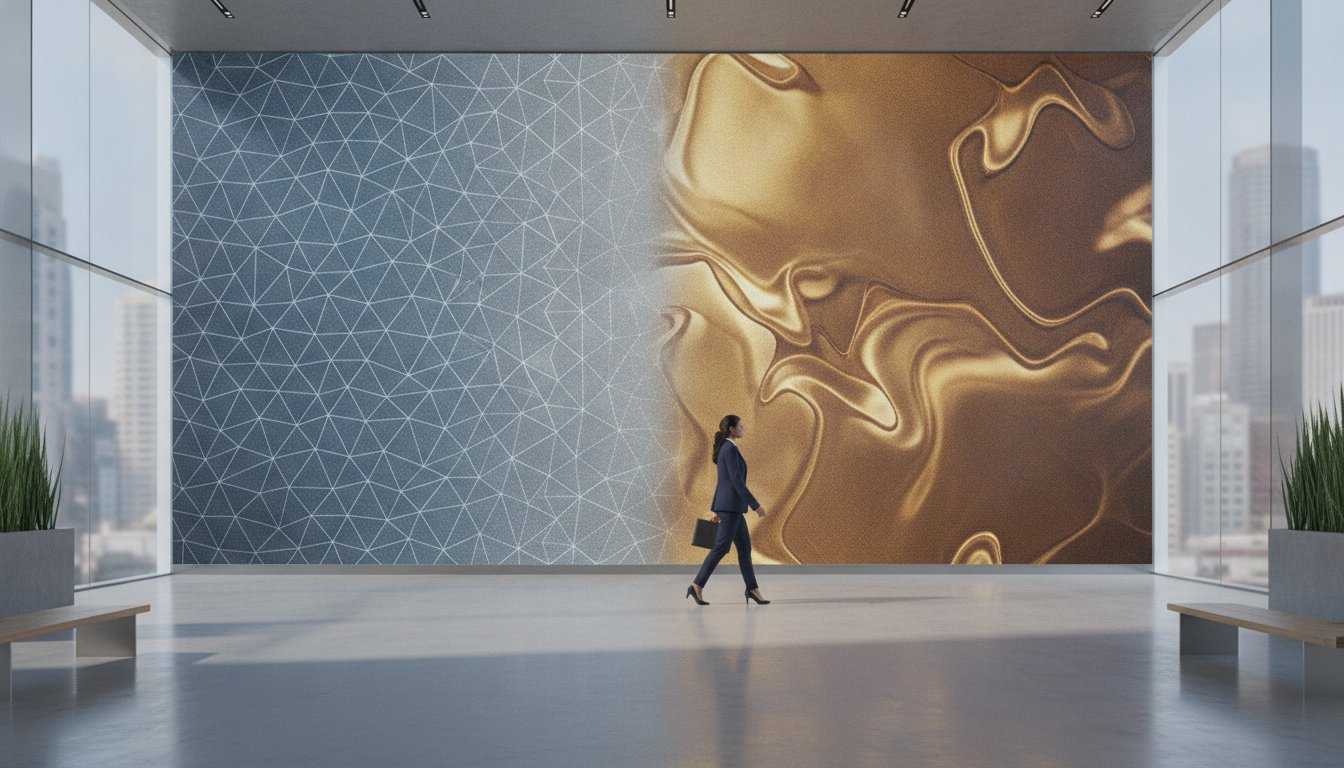
A digital screen in a high-traffic lobby is often just another glowing rectangle that visitors have subconsciously trained themselves to ignore. While screens offer flexibility, they also demand constant power, frequent updates, and a technical overhead that can feel more like a burden than a benefit. You’ve likely noticed that static art, while timeless, can sometimes fail to capture the energy of a modern, forward-thinking brand. It’s a common frustration to feel caught between a piece of art that doesn’t move and a piece of technology that won’t stop breaking.
We believe your physical space should be as dynamic as your corporate identity. This guide explores how lenticular lobby art installations transform ordinary walls into motion-driven experiences that react to the movement of the viewer. You’ll discover how to achieve a high-impact, kinetic visual without the fragility of hardware or the fatigue of a backlight. We will walk through the design-to-installation timeline, the technical scaling of architectural lenses, and the collaborative process of turning a flat brand vision into a multi-dimensional landmark.
Key Takeaways
- Move beyond static walls by leveraging motion-driven art that captivates visitors without the intrusive glare or maintenance needs of digital screens.
- Understand the technical variables of lenticular lobby art installations, specifically how viewing distance and lens pitch dictate the visual clarity of large-scale architectural walls.
- Evaluate the long-term value of analog-kinetic installations, which provide a durable, energy-efficient alternative to digital signage with a lifecycle measured in decades.
- Learn to map the visitor journey within your physical space to ensure the transition of images aligns perfectly with natural traffic flow and viewing angles.
- Ensure a risk-free fabrication process by utilizing custom prototyping and sampling, transforming a complex creative vision into a predictable and polished reality.
Redefining the First Impression: Why Lenticular Art is Transforming Modern Lobbies
The corporate lobby has shed its old skin as a mere checkpoint. In 2026, these spaces serve as the primary stage for brand identity, functioning as experiential hubs that dictate the emotional tone for every meeting and partnership that follows. Static wall graphics often fall flat in these high-volume environments; they fail to command attention or reflect the complexity of a modern enterprise. Designers are now reclaiming the wall as a site of active engagement through lenticular lobby art installations. These installations move beyond traditional decor, offering a kinetic energy that breathes life into the architectural envelope.
Motion naturally draws the human eye. It is an evolutionary response that you can leverage to increase visitor dwell time and deepen brand recall. When art shifts and evolves as a visitor walks by, it triggers a discovery moment. This transition from one image to another allows a brand to communicate multi-faceted values in a single location. A company can showcase its heritage from one angle and its visionary future from another. It is a sophisticated storytelling method that invites the viewer to participate in the narrative rather than just observing it from a distance.
The Evolution of the Corporate Transition Space
Lobbies are no longer just waiting rooms; they are purposeful destinations. Creating a distinct sense of place requires more than a logo on glass. It requires perspective-shifting visuals that transform as the viewer moves through the space. This is where large format lenticular printing becomes a critical architectural tool. It allows for massive, seamless narratives that wrap around corners or span entire feature walls. Since 1997, our team has seen how these installations turn sterile corridors into memorable journeys, providing a grounded sense of reliability while maintaining a visionary aesthetic.
Sensory Engagement Without Screen Fatigue
The eye craves a different kind of stimulation in a world saturated with glowing panels. Digital fatigue is a tangible challenge for modern office design. People have subconsciously learned to filter out back-lit advertisements and flickering screens. Physical motion art feels more human; it is grounded in the tangible world. Lenticular printing technology uses specialized lenses to create depth and animation without a single pixel or power cord. This low-tech, high-impact approach is a significant 2026 trend for lenticular lobby art installations. It reduces visual noise in high-stress environments, offering a calm, sophisticated alternative to the frantic pace of digital media. The result is a refined environment where the art responds to the visitor, fostering a collaborative atmosphere from the very first step.
The Technical Blueprint: Understanding Scale, LPI, and Viewing Angles
Technical precision is the foundation of any successful lenticular lobby art installation. While the creative vision captures the heart, the technical execution ensures the installation functions correctly across the specific dimensions of a corporate atrium. Scaling an image from a hand-held sample to a twenty-foot wall requires a rigorous understanding of optical geometry. Every millimeter of the lens must align with the printed interlaced image to maintain the illusion of movement. This process demands a collaborative approach between the architect and the fabricator to ensure the final result resonates with the intended audience.
Decoding LPI (Lines Per Inch) for Large Spaces
LPI refers to the number of individual lenticules per linear inch of the lens material, a metric that determines the resolution and optimal viewing distance of the installation. High-LPI lenses, often used for small-scale graphics, fail in massive lobby environments because the fine detail becomes indistinguishable from a distance. For a viewer standing 10 feet away, a moderate lens pitch ensures a crisp transition. However, when the viewing distance extends to 30 feet or more, a much coarser lens pitch is required to prevent the images from blurring together. The Smithsonian has long utilized these principles in interactive exhibit design to ensure clarity across vast galleries.
The Geometry of Motion: 2-Phase vs. Multi-Phase Flips
Choosing the right effect depends on the brand’s narrative goals. A 2-phase “flip” provides a bold, high-contrast transition between two distinct states, such as a company logo and a key brand message. This “on/off” approach is highly effective for clear, punchy communication. Multi-phase sequences create smooth, cinematic motion by interlacing several frames. This allows for a fluid transformation that feels more organic and sophisticated. Distinguishing between motion and 3D depth is essential; while motion relies on the viewer’s lateral movement, 3D depth uses parallax to create a sense of volume within a flat surface.
Illumination is the final, critical step in the technical blueprint. Directional lighting, typically from overhead or spotlight sources, is necessary to activate the lenses. Diffuse or flat lighting can wash out the effect, rendering the kinetic elements static. Because lenticular lobby art installations are often placed in high-traffic corridors, material durability is paramount. We focus on several key material standards for 2026:
- UV-resistant polymers that prevent yellowing under skylights or bright lobby lights.
- High-impact substrates designed to withstand the rigors of active public corridors.
- Precision-tiled panels that manage seams invisibly across large-format walls.
If you are beginning to map out a specific architectural space, reviewing our lenticular samples can help you visualize how these technical specifications translate to your environment.
Strategic Comparison: Lenticular Installations vs. Digital Signage
Digital screens have become the default solution for many corporate lobbies, yet they often bring a hidden suite of complications that architects and facility managers find difficult to sustain. While a screen offers changing content, it also demands constant electricity, specialized IT support, and a rigorous replacement cycle as hardware becomes obsolete. Selecting lenticular lobby art installations represents a shift from high-maintenance technology toward a more durable, “analog-kinetic” philosophy. This approach provides the engagement of motion without the fragility of a digital system. It’s a choice that favors longevity over the fleeting novelty of a pixel-based display.
Maintenance for a digital wall is an ongoing battle against dead pixels, software glitches, and cooling fan failures. In contrast, a physical installation requires nothing more than the same occasional dusting you would give to any fine art piece. For those seeking a clear definition of the technology, the Nevada Arts Council explains What is lenticular art by detailing how a simple lens array creates complex visual shifts. This inherent simplicity is the key to its durability; there are no motherboards to fry and no backlights to dim over time. A well-fabricated installation can remain vibrant and functional for decades.
ROI Analysis for Corporate Stakeholders
The financial argument for lenticular media extends far beyond the initial purchase. Digital signage requires a continuous stream of high-production video content to remain relevant, which represents a massive, recurring operational expense. Lenticular projects use static, high-resolution files that we interlace into a single, permanent masterpiece. This eliminates the need for expensive motion designers or video editors on retainer. From a sustainability perspective, the zero-power nature of these installations is a significant advantage. They don’t contribute to the building’s heat load or energy bill, making them an ideal choice for projects pursuing LEED certification or ambitious green energy targets.
The Aesthetic Advantage of Physical Media
Modern interiors often prioritize natural light and minimalist materials, environments where the harsh blue light and reflective glare of a digital screen can feel intrusive. Lenticular lobby art installations interact with the ambient light of the room rather than fighting against it. The result is a tactile, high-end feel that complements kinetic architecture by mirroring the movement of the building’s inhabitants. Architectural-grade polymers provide a depth and texture that a flat screen simply cannot replicate. It’s a multi-dimensional experience that feels integrated into the very fabric of the wall, transforming the lobby into a composed, professional environment that respects the viewer’s senses.

Designing for the Human Experience: Traffic Flow and Spatial Integration
Art in a corporate lobby isn’t just viewed; it’s experienced through movement. Unlike a traditional gallery where observers often stand still, lenticular lobby art installations thrive on the kinetic energy of the people passing by. We map the visitor journey to ensure the visual transition aligns with the natural pace of a person walking toward an elevator bank or a reception desk. This spatial mapping turns a transit corridor into a choreographed event, where the art responds directly to the physical presence of the viewer.
Compliance and accessibility are foundational to our design process. We ensure that the visual “flip” remains impactful for all visitors, accounting for different heights and viewing perspectives. High-contrast transitions are tested to maintain visibility for individuals with varying levels of visual acuity. By treating the installation as a functional part of the architectural environment, we create a space that is inclusive, engaging, and deeply resonant with the human experience.
The Motion Path Architecture
The speed of a typical walking pace dictates the technical interlacing of the frames. If the flip happens too fast, the image feels frantic; if it’s too slow, the visitor might miss the transition entirely. We utilize custom lenticular prototypes to calibrate these viewing angles within the specific lighting and dimensions of the lobby. This allows us to create “sweet spots” where the image is most crisp, strategically placed where visitors naturally pause. These moments don’t just capture attention; they invite social sharing and photography, extending the brand’s reach far beyond the physical room.
Seamless Architectural Integration
Successful integration means the art must feel like it belongs to the building’s skeleton rather than being an afterthought. We coordinate closely with contractors to integrate lenticular panels into existing wall cladding systems, whether the surrounding material is wood, stone, or metal. Hidden mounting systems are a hallmark of our 2026 projects, allowing panels to sit flush or appear to float without visible hardware. This precision extends to the management of trim, baseboards, and ceiling transitions for a polished, high-end finish.
Acoustic performance is an often-overlooked advantage of these installations. The ridged, multi-dimensional surface of architectural-grade lenticular sheets can help break up sound waves, contributing to the sound-dampening needs of vast, echo-prone atriums. We also work in tandem with lighting designers to ensure that overhead sources activate the lenses without creating distracting glare. To begin visualizing how these elements can merge in your space, you can explore our architectural portfolio for a closer look at recent large-scale fabrications.
From Vision to Fabrication: Executing Large-Scale Architectural Lenticulars
Realizing a grand architectural vision requires a transition from the imaginative to the technical. While the initial concept provides the inspiration, the fabrication phase provides the grounded reliability necessary for a permanent corporate landmark. Since 1997, we have delivered over 1,000 projects, perfecting a process that eliminates the uncertainty often associated with custom artistic commissions. Our role is to act as a visionary guide, ensuring that the final lenticular lobby art installations reflect the precision and sophistication of your brand identity.
The Softmotion Methodology
We begin by translating your 2D brand assets—such as high-end imagery from a Portrait photographer UK—into motion-driven masterpieces through a rigorous design phase. This involves more than just software; it requires an intellectual understanding of how light interacts with the lens at an architectural scale. High-precision alignment is the Softmotion standard, as even a microscopic deviation can cause “ghosting,” where images bleed into one another and ruin the kinetic effect. Interlacing is the technical method of slicing multiple graphic files into thin strips and arranging them in a precise pattern that corresponds exactly to the pitch of the physical lenticular lens. This level of detail ensures that the motion remains fluid and the depth remains crisp from every intended viewing angle.
Executing a large-scale project involves complex logistics that we manage with methodical purpose. For lenticular lobby art installations, the timeline typically spans 16 to 24 weeks for complex, multi-surface experiences. This schedule includes the critical stage of prototyping and sampling. We treat these samples as the foundation of a risk-free journey, allowing stakeholders to see and touch the kinetic effect before full-scale production begins. Handling oversized panels requires specialized shipping protocols to ensure that the delicate optical surfaces arrive at the job site without a single blemish.
Once the installation is complete, the maintenance requirements are remarkably low. We provide clear post-installation care protocols that focus on simple cleaning with non-abrasive solutions. Unlike digital systems that require constant technical support and software patches, these physical artworks are designed for longevity. They are built to withstand the rigors of high-traffic environments while maintaining their visual impact. Our collaborative approach ensures that the path from vision to reality is as composed and professional as the final installation itself.
Transforming the Corporate Arrival Experience
The modern lobby is no longer a passive space but a primary touchpoint for brand storytelling. By choosing lenticular lobby art installations, you move beyond the limitations of static walls and the high overhead of digital screens. This shift toward “analog-kinetic” solutions ensures a sensory experience that respects the viewer’s journey while utilizing specialized architectural-grade materials. It’s a choice that favors long-term reliability and environmental sustainability without sacrificing visual impact.
Navigating the transition from a two-dimensional vision to a multi-dimensional landmark requires a partner who understands the intersection of fine art and technical production. With over 1,000 successful installations worldwide, we provide the expert guidance needed to ensure your project is both visionary and pragmatic. We invite you to begin your collaborative journey with a Softmotion custom sample and see the impact of kinetic art firsthand. Let’s work together to realize the hidden potential of your physical environment and create a lasting impression that truly moves your audience.
Frequently Asked Questions
What is the maximum size for a lenticular lobby art installation?
There is no technical limit to the scale of these projects because we use a precision tiling method. Large-format walls are created by aligning multiple panels with microscopic accuracy to ensure the motion effect remains seamless across the entire surface. We have delivered over 1,000 projects since 1997, many of which span massive corporate atriums. This modular approach allows for lenticular lobby art installations that cover hundreds of square feet without losing visual clarity.
How does lighting affect the visibility of the lenticular motion effect?
Directional lighting is essential to activate the optical lenses and reveal the intended motion. Overhead spotlights or track lighting are typically preferred because they provide the sharp angles needed for the “flip” or 3D effect to manifest clearly. Diffuse or flat lighting can wash out the transitions, making the art appear static. We collaborate with your lighting designers during the prototyping phase to ensure the environment supports the kinetic experience.
Can lenticular art be installed on curved lobby walls?
Yes, we can accommodate curved surfaces by using specialized, flexible lenticular lenses. These materials are designed to wrap around architectural columns or follow the contours of a radius wall without distorting the interlaced image. The key is maintaining a consistent radius so the viewing angles remain predictable for the visitor. This flexibility allows us to transform challenging structural elements into dynamic brand landmarks that react to the movement of passersby.
What is the typical lifespan of an architectural lenticular installation?
An architectural-grade installation is designed to last for decades as a permanent part of the building’s interior. We use UV-resistant polymers and high-impact substrates that prevent yellowing and withstand the rigors of high-traffic corporate environments. Unlike digital signage, there are no electronic components to fail or software to become obsolete. This durability makes lenticular lobby art installations a sustainable, long-term investment that retains its visual impact long after digital hardware would require replacement.
How do you clean and maintain a large-format lenticular wall?
Maintenance is remarkably simple and doesn’t require specialized technical support. You can clean the surface using a soft, non-abrasive cloth and a mild, ammonia-free cleaning solution. It’s important to avoid harsh chemicals that might scratch the polymer lenses. Because the installation is entirely analog, you won’t need to worry about dead pixels or software updates. This low-maintenance profile is a significant advantage for facility managers overseeing busy corporate headquarters.
Is lenticular art more expensive than traditional large-scale murals?
The cost of a custom installation reflects the specialized fabrication and high-precision printing required to create a kinetic effect. While the initial investment may be higher than a standard 2D mural, the value lies in the increased visitor engagement and brand recall. We focus on custom project-based fees that cover everything from initial sampling to final on-site assembly. This collaborative process ensures a risk-free delivery of a unique, multi-dimensional experience that static graphics cannot replicate.
Can we use our own brand photography for a custom lenticular installation?
We frequently translate existing brand assets into motion-driven masterpieces. Our team works with your high-resolution photography, logos, or digital art to create the interlaced files necessary for the lenticular effect. Whether you want to transition between two distinct brand messages or create a smooth cinematic sequence, we provide the technical discipline to realize that potential. This partnership ensures the final artwork is deeply rooted in your company’s specific visual identity. For projects requiring new high-resolution source material, Image-Tec provides the expert commercial photography and art reproduction services necessary to ensure a stunning final product.
No, these installations are entirely “analog-kinetic” and require zero electricity to function. The motion effect is powered solely by the movement of the viewer and the presence of ambient or directional light. This zero-power advantage simplifies the installation process and eliminates ongoing energy costs. It also contributes to building sustainability goals, offering a dynamic visual experience that doesn’t add to the facility’s heat load or electrical consumption.