
Lenticular Art for Hospitality Design: Create Spaces That Move
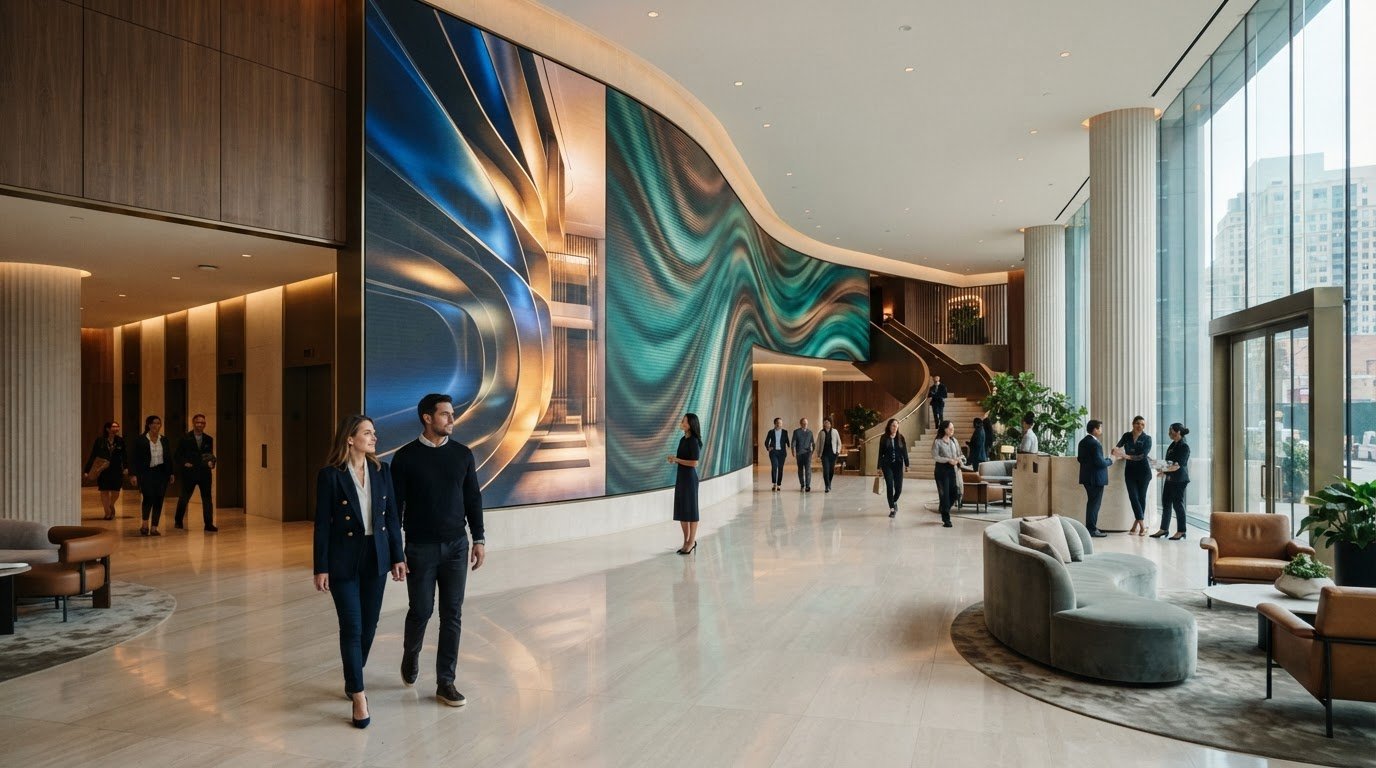
What if a wall could do more than welcome guests, guiding their attention and revealing a story as they move through a space? Lenticular art for hospitality design can make that possible, but the movement should feel purposeful, not like a novelty or interruption. The strongest installations respond to the brand, the architecture, and the way guests experience the venue.
How will a shifting image read from a lobby entrance, corridor, or seating area? Will a custom artwork translate from concept to installation? These questions are easier to answer when the project is planned around guest routes and real viewing positions. Scale, lighting, placement, and the intended visual effect all shape how the artwork supports the guest journey.
This article explores where lenticular art can create memorable moments across a hospitality space, what to consider before commissioning, and how samples and prototypes can help clarify a visual idea. It also follows the process from creative concept through fabrication and installation, drawing on Softmotion’s experience creating large-format lenticular art and architectural installations since 1997.
Key Takeaways
- Lenticular art for hospitality design makes a guest’s movement part of the visual experience without relying on screens or static wall graphics.
- Different image elements appear as viewers shift position, so image design and viewing angles need to work together for a clear transition or sense of depth.
- Match each installation to its setting: arrival areas, corridors, lounges, and restaurants each have distinct viewing patterns and visual goals.
- Build the project brief around the venue, guest routes, creative intent, and installation scope, then develop the work through prototyping, fabrication, and installation.
- Samples and prototypes help translate a creative concept into a large-scale architectural installation. Softmotion supports projects from development through installation.
How Lenticular Art Can Transform Hospitality Design and the Guest Journey
A hotel’s visual identity unfolds through a series of moments: the first impression at arrival, the pause at reception, and the quieter experience of settling into a lounge or guest room. Lenticular art can give those moments a sense of movement. It is a printed image that changes in appearance as a viewer moves, offering a visual reveal without asking guests to interact with a screen.
Lenticular artwork is a printed, angle-responsive image; digital signage is an electronic display that presents changeable content. That distinction matters in hospitality interiors. Rather than acting like a screen or another static wall graphic, a lenticular piece makes the guest’s viewpoint part of the experience. The image might shift between two scenes, suggest a visual sequence, or create an impression of depth. For an overview of the medium’s variations and effects, see lenticular printing.
What lenticular art contributes to a hospitality interior
The movement can be subtle or expressive, but it works best when it serves a clear design purpose. A gradual change in a nature-inspired image might support a calm lounge atmosphere. A sequence of architectural or cultural details might express a venue’s identity. These are creative directions, not fixed formulas: the effect depends on the artwork, its placement, and the way guests move through the space.
That context helps the experience feel integrated with the interior. A dramatic image may suit a focal wall near the entrance, while a quieter transition may work better beside seating or dining. In either case, the art should relate to the room’s palette, scale, and visual rhythm rather than compete with them. In luxury hospitality and high-end resort settings, design firms like Rachel Horn Studio often emphasize this balance so that statement art enhances rather than overwhelms the broader environment. Lenticular art for hospitality design is most effective when its movement enriches the space without demanding attention.
Where the guest journey creates opportunities for motion
Consider the pace of each touchpoint. Guests may move quickly through an entrance or reception area, so a strong, legible visual shift can make an immediate impression. In a lounge or waiting area, guests may approach from different directions or have time to notice a subtler change. Dining areas and guest rooms have different priorities, where comfort, atmosphere, and proximity influence the design.
A sequence of related artworks can also create continuity along a route. Imagery might introduce a local landscape near arrival, develop that idea along a corridor, then resolve into a more intimate detail near a lounge or guest room. Each installation can stand alone while contributing to a broader story. Before developing the concept, map guest paths and likely viewing positions, then decide what each piece should communicate at that point in the journey.
How Lenticular Art Works Through Viewpoint, Movement, and Image Design
A lenticular image is designed to change with the viewer’s position. A lens made up of narrow ridges sits over an image prepared from interlaced visual information. Each ridge directs different parts of the image toward different viewing angles. As a guest walks past or approaches from another direction, the visible information shifts, creating a transition, a sequence, or an impression of dimensional depth.
The image is prepared for the lens, the lens directs visual information, and the viewing angle determines what the guest sees. That relationship is central to designing lenticular art for hospitality design. The effect is not added after the artwork is complete: image composition and the intended viewing experience must be considered together. For a closer look at the large-format process, explore this large-format lenticular printing guide.
Choosing a visual transition that suits the venue
A restrained transition can shift gradually from one image to another, supporting the atmosphere without pulling focus from the room. A more pronounced sequence can reveal distinct visual states as guests move, making the artwork a focal point. Neither approach is automatically better. Choose according to the brand story, the character of the interior, and how much visual emphasis the location can carry.
Keep the composition coherent from the viewpoints that matter. If guests encounter the artwork while entering a lobby and then see it from nearby seating, its main forms should remain understandable from both positions. Choose image elements that transition cleanly, and avoid relying on small details that may be hard to read from the expected distance. A creative brief can also describe the desired mood, such as calm, energetic, or quietly exploratory, to guide image development.
Why viewpoint and movement belong in the design brief
A wall is not simply a flat canvas. Guests may approach an installation head-on, pass it at an angle, or see it from across a room. Their route, pace, and distance influence how the lenticular effect unfolds. Mapping those sightlines early helps determine where the artwork should sit and which visual change makes sense. Include the main approach direction, likely viewing positions, and how people circulate around the space in the brief.
Then test the idea against the setting. A sample or prototype lets the design team assess the transition from relevant angles before full-scale fabrication. Review whether the image reads clearly at the intended distance, whether movement reveals the intended sequence, and whether the effect fits the surrounding interior. Softmotion’s lenticular samples and prototyping support this early evaluation, helping turn a creative direction into a considered architectural installation. The National Endowment for the Arts offers broader context on the role of arts in public life, while the artwork itself should respond to the character and circulation of each hospitality space.
Matching Hospitality Lenticular Art to Hotel Spaces and Design Priorities
The same visual effect can feel welcoming in one setting and distracting in another. Choose a location by considering how guests move through it, where they naturally look, and what the artwork should contribute. Use these examples as planning prompts, then shape the decision around the venue’s architecture, brand, and guest journey.
| Venue area | Guest movement | Visual objective | Key design consideration |
|---|---|---|---|
| Arrival and reception | Guests approach, pause, and orient themselves | Create a distinctive first impression or introduce the venue’s story | Consider the main approach and whether the artwork competes with reception activity or orientation cues. |
| Corridors | Guests pass through, often from changing angles | Build visual continuity or reveal a sequence along the route | Plan how each view relates to the next and how the work sits alongside doors, lighting, and other visual details. |
| Lounges | Guests circulate and may view the artwork while seated | Contribute to atmosphere or offer a quieter moment of discovery | Assess seated sightlines, viewing distance, and the composition of the surrounding interior. |
| Restaurants and dining areas | Guests may remain seated, with attention shared across the room | Support the desired ambience or express a local or brand narrative | Coordinate image scale and visual intensity with the dining environment and nearby focal points. |
| Guest-facing feature walls or rooms | Movement and viewing positions vary by layout | Provide a focused artwork experience or reinforce a sense of place | Shape the effect around the wall’s function, the room’s finishes, and likely guest viewpoints. |
Selecting locations by pace, sightline, and audience
In an arrival space, start with the first view guests encounter and the directions they face as they enter or approach reception. In corridors, consider repeated viewpoints and whether related images could create continuity between areas. Lounges and dining spaces require attention to seated as well as standing views. Mapping these positions helps clarify whether the artwork should shape the atmosphere, communicate a brand story, or support orientation.
Balancing a distinctive effect with a coherent interior
Scale, contrast, and motion intensity should suit the intended atmosphere. A quieter image may sit comfortably among layered finishes, while a more pronounced visual shift could anchor a feature wall. Neither choice suits every venue. Account for existing artwork, architectural details, materials, and nearby visual information so the installation feels composed rather than isolated. For ultra-luxury hospitality projects, exploring high-end design portfolios like beverlyhillsluxuryinteriors.com can offer insight into how custom statement features harmonize with surrounding architecture, lighting, and curated furnishings.
For projects where the visual language extends beyond the interior, the guide to lenticular building facades explores how lenticular design can relate to architectural surfaces. The same principle applies within a hotel: connect the artwork to the space around it. A clear design priority, whether atmosphere, storytelling, or orientation, gives the team a basis for refining the location and creative direction.

Planning a Hospitality Lenticular Installation from Brief to Site
A strong installation begins with a clear project brief, not just an image idea. For lenticular art for hospitality design, connect the venue’s identity with the guest route and intended visual experience. Include the property context, proposed locations, available artwork and brand direction, relevant architectural information, and installation scope. This gives creative and production decisions a shared foundation.
From there, move through the project in deliberate stages:
- Define objectives. Decide what each artwork should contribute, such as atmosphere, storytelling, or a visual focal point.
- Map locations. Note guest routes, approach directions, and the positions from which people are likely to view each piece.
- Develop artwork. Shape the image concept around the venue, brand direction, and desired visual transition.
- Prototype. Review samples or prototypes to assess how the image behaves from relevant viewpoints.
- Fabricate. Carry the approved artwork and project scope into production.
- Install. Coordinate implementation at the selected site or sites so the finished work reflects the approved design intent.
Building a useful brief and testing the concept
Gather the material that can inform the design: existing artwork, brand references, location details, and architectural context. Identify the visual objective for each placement instead of treating every wall alike. Prototyping helps assess a custom lenticular concept before full-scale fabrication. Samples give the team a practical way to review image behavior and creative direction, then refine the composition against the agreed objectives.
Use that review to make specific decisions. Is the main image readable from the likely approach? Does the transition support the intended mood? Do the key elements remain coherent across the viewpoints that matter? Recording feedback against the brief helps distinguish essential refinements from changes that would take the concept in a new direction. For further context, explore custom lenticular prototypes at scale.
Coordinating fabrication and installation across locations
When a project includes several areas or properties, define what should remain consistent, such as the overall visual language, and what should respond to each space, such as placement or the relationship between the artwork and its surroundings. A location-by-location schedule of approved artwork and installation scope keeps those decisions visible. Project management connects creative approvals with fabrication and on-site implementation, helping keep decisions aligned as the work progresses.
Softmotion brings samples, prototyping, fabrication, project management, and installation together for custom large-format lenticular art and architectural projects. Plan a hospitality lenticular installation with Softmotion to develop the brief into a coordinated project from concept through site implementation.
Creating Hospitality Lenticular Art with Softmotion
A hospitality installation must do more than fit a wall. It should feel considered within the venue, express the intended visual identity, and respond to how guests experience the space. Softmotion develops custom lenticular artwork and architectural installations, bringing creative direction and production planning together around each project’s goals.
Founded in 1997, Softmotion has delivered more than 1,000 projects worldwide. That experience informs its approach to lenticular art for hospitality design, from exploring the visual idea to developing and installing the finished piece. Each project is shaped around its brief rather than drawn from a preset collection or one-size-fits-all format.
From hospitality concept to custom artwork
The process starts with the venue’s spatial and visual goals. A team might want to express a sense of place in an arrival area, create a distinctive feature in a lounge, or carry a brand narrative along a guest route. Softmotion uses that direction to develop artwork suited to the setting, considering the intended image behavior and how the installation relates to its surroundings.
Existing source artwork can inform development. Samples and prototypes translate an early concept into something the project team can assess, allowing the visual direction to be reviewed before fabrication. Feedback can then guide refinements to the composition so the artwork supports the hospitality brief.
Taking the next step on a hospitality project
A few reference materials can make an initial project conversation more focused. Consider gathering:
- Reference imagery, brand materials, or existing artwork that communicates the desired visual direction.
- Target locations, such as the reception area, corridor, lounge, dining space, or guest-facing feature wall.
- A short description of the experience you want guests to have as they encounter the artwork.
- Available architectural context and an outline of the project’s installation scope.
These details provide a useful starting point, not a rigid specification. Creative development, production, and project scope are tailored to the venue and installation. Softmotion supports the process through samples and prototyping, fabrication, project management, and installation, connecting the original idea with its realization on site.
If you’re considering a custom installation, bring your venue context and creative direction into the conversation. Start a conversation about your hospitality lenticular project.
Give Your Hospitality Space a New Point of View
Every distinctive installation begins with a clear intention. Choose the guest moment you want to shape and decide what the artwork should express there. A sense of place, a welcome, or a shift in atmosphere can each lead to a different creative direction. That clarity gives your team a useful starting point for lenticular art for hospitality design without locking the project into a predetermined image or effect.
Gather a few visual references and identify the location you’d most like to explore. Let the venue’s character guide the conversation, from the feeling you want guests to encounter to how the artwork might belong within the space. The concept can take shape collaboratively, with practical decisions following from the creative intent.
Softmotion can develop that first direction into a custom hospitality project. Explore a custom installation for your venue and take the next step toward a space that feels distinctly your own.
Frequently Asked Questions
Is lenticular art suitable for a hotel interior?
Yes, lenticular art can suit a hotel interior when its visual effect and placement complement the space. Consider the room’s purpose, existing focal points, and the experience you want the artwork to contribute. A quiet image transition may suit a restful setting, while a more pronounced effect could work in a prominent public area. The best fit for lenticular art for hospitality design depends on the venue’s character and design intent.
Can lenticular artwork work without screens or electrical power?
Yes. Lenticular artwork is printed, so its image changes with the viewer’s angle rather than relying on a screen or powered display. This can suit a design that calls for a visual shift without an electronic component. The effect comes from the printed image and lens working together, while ambient light and placement influence how guests perceive it.
How much lenticular artwork should a hotel commission?
There is no standard quantity that suits every hotel. Start by identifying the moments or locations where artwork would have a clear role, then decide whether a single feature or a connected set best supports the concept. A focused installation in one area can establish a visual anchor; a larger project might extend a shared theme across selected guest spaces. Let the design purpose and project scope guide the number of pieces.
Can existing brand artwork be adapted for a lenticular installation?
Existing brand imagery can provide a starting point, but it may need to be prepared or adjusted for the intended lenticular effect. A logo, campaign image, or collection of visual assets can be reviewed for how well its forms and subject matter translate into a changing image. Samples or prototypes help assess the direction before fabrication. Providing original artwork files and brand references helps the creative team understand the visual intent.
How long does a custom hospitality lenticular project take?
Project duration depends on scope, creative development, review and approval stages, fabrication, and installation coordination. A single artwork and a multi-location installation have different planning needs, so one fixed timeframe does not apply to every project. For realistic planning, outline the target locations, share available artwork and architectural context, and identify key review points early. The schedule can then reflect the project’s requirements and implementation plan.
What happens if guests view lenticular art from different angles?
The image changes as viewers move, so guests in different positions may see different parts or stages of the visual effect. That variation is intentional, but the artwork should be designed around the views that matter most in its location. If guests approach from several directions, include those sightlines in the creative review. A sample or prototype can help show whether the transition remains clear and visually coherent from expected positions.
Can lenticular art be designed for multiple hotel locations?
Yes. A project can carry a consistent visual idea across several hotel locations while allowing each installation to respond to its own space. A shared theme, for example, might appear through different image compositions or placements based on each area’s layout and guest flow. Establish which design elements should remain consistent, then document how each location will use them. This helps the overall concept feel related without treating every site as identical.