
Lenticular Advertising for Product Launches: Uses and Impact
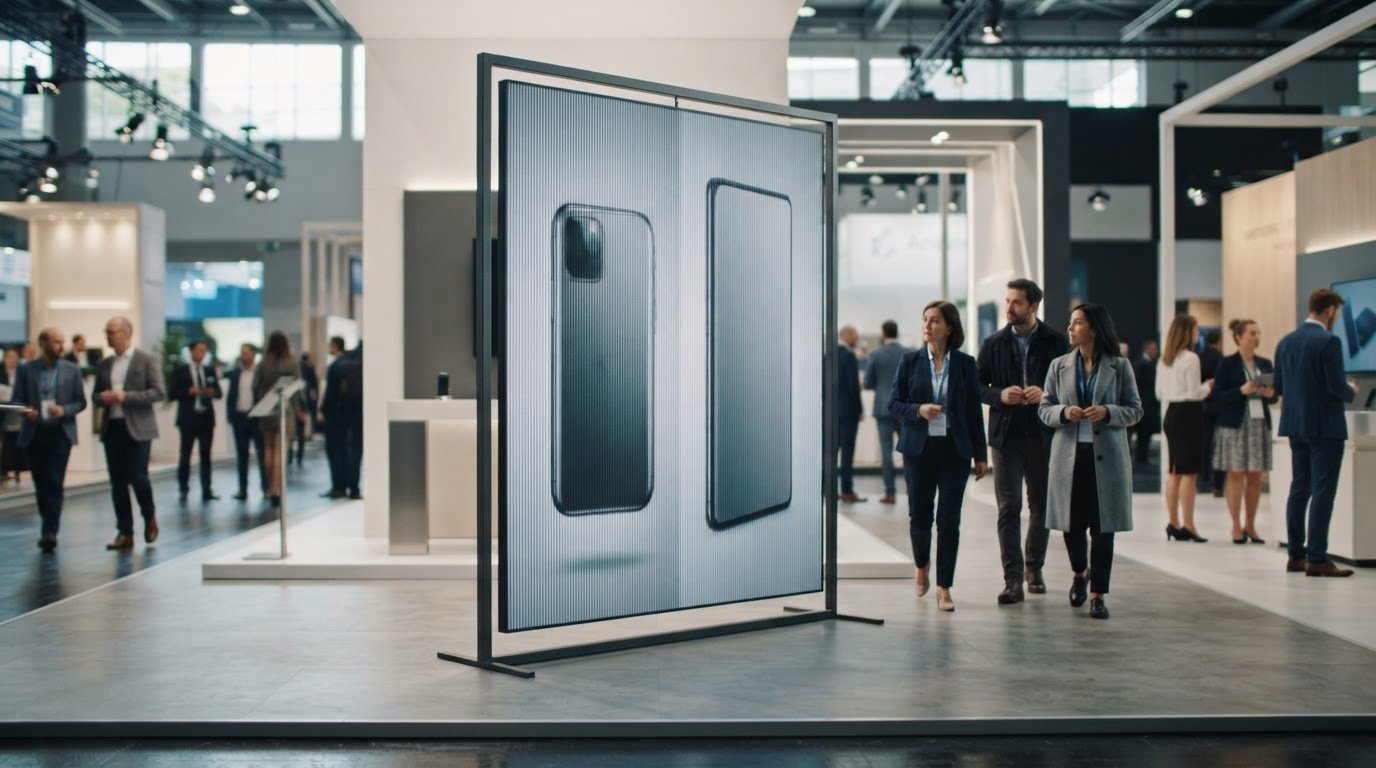
A product launch can reveal its story as people move past it. Lenticular advertising for product launches uses a printed lens layer over multiple images, making the visual change with the viewer’s angle. The result can suggest motion, shift between product views, or create depth without a screen.
That shift in perspective gives a launch display more to do than present a single product image. It can compare a new design with an earlier version, reveal details in sequence, or bring a campaign visual to life as people move around it. The effect works best when the transition is clear and the message is easy to grasp.
This article explains how lenticular printing works, which visual effects suit different launch goals, and where these materials can appear, from retail displays to trade show graphics. It also explores practical considerations such as viewing distance, artwork, and messaging, so you can see how a dimensional print might fit your campaign.
Key Takeaways
- Learn how layered images and a lenticular lens create shifting visuals, from a simple image flip to a sense of depth or motion.
- Match the visual effect to the launch story: reveal a product transformation, compare versions, or bring key details into sequence.
- Explore how lenticular displays can work across retail, promotional materials, and trade show environments, each with different audience needs.
- See why viewing distance, image quality, and concise messaging matter when planning a lenticular piece for a launch.
- Understand when a dimensional printed display can add a tactile, screen-free element to a campaign, and when a simpler visual may communicate more clearly.
What is Lenticular Printing?
Lenticular printing layers two or more images beneath a sheet containing hundreds of parallel cylindrical lenses, called lenticules. For product launches, flip and motion effects can reveal a product change, while 3D depth gives a hero image dimension; the best fit depends on the launch message and viewing position.
Lenticular advertising uses a lens layer to direct different parts of a layered image toward the viewer as their angle changes. One printed piece can show a sequence of images, creating animation-like movement without a screen.
Lenticular Depth and Motion Effects
Depth and motion effects use image layers to create an impression of space or change as a viewer shifts position. A 3D product rendering can appear to sit forward from its background, while animation can suggest a cap opening or a device rotating. Zoom draws attention toward one feature, and morphing transitions between visual states. These effects matter when a launch needs to make a product’s form or transformation visible at a glance.
Flip Effects and Image Changes
A flip effect switches between separate images as the viewing angle changes. A three-image flip, for example, can show a package, a product detail, and a launch message in one printed piece. This format suits a reveal or comparison because each image has a distinct role. Keep the transition simple so viewers can understand what changed without decoding a crowded sequence.
Lenses and Viewing Angles
The lenticules act like narrow lenses, directing different image strips toward the viewer from different angles. As someone moves across the viewing field, the visible image changes, creating a flip or motion effect. Lenticular sheets typically have viewing angles from 25 to 54 degrees. That range affects where the image changes become visible, so the intended viewing position shapes how the visual sequence reads.
There are two broad effect families: animation and 3D. Animation includes flips and sequences that imply movement; 3D creates a perception of depth. A launch design can combine these visual approaches, but each added transition needs a clear purpose. For instance, a product image might lead into a detail view, while a restrained depth effect separates the product from its background.
Lenticular printing can be used in advertising displays, promotional boards, and trade show graphics. It can present multiple images in one physical piece without a digital screen, making it useful when a campaign needs to show several product states. A before-and-after transformation, seasonal variation, or new package reveal can each become the central visual message.
Choose the effect around the story, not the other way around. A single flip can clarify a product change; a 3D image can emphasize shape; a short animation can demonstrate a sequence. When the visual changes with viewing, the print invites people to shift position and discover another part of the launch story.
Lenticular printing’s use in product launches and commercial campaigns
For a campaign, lenticular printing turns layered images into changing visuals that respond to a viewer’s position. The format can make a launch reveal, product comparison, or promotional message more noticeable in a physical setting.
Campaign Uses and Image Layers
A lenticular campaign uses one printed design to present multiple images or visual states. A launch display might show a package first, then reveal a product detail as someone moves past. The same approach can communicate a before-and-after change or seasonal variation. Each image should contribute to one clear story, so viewers see a purposeful sequence rather than disconnected effects.
Choosing Lenticular for a Campaign
Lenticular printing suits campaigns where a visual change helps explain or dramatize the offer. It costs more than regular printing, so the added effect should support a specific message, such as showing a new product version. Plan high-resolution artwork, simple transitions, viewing distance, and print quantity together. These choices shape image clarity and how the finished piece works in its intended setting.
Comparing Advertising Formats
Standard print presents a fixed image; lenticular print changes its image with the viewer’s angle, while digital advertising can update screen content. Lenticular ads offer a physical interaction without a screen, but they don’t provide the changing content of a digital display. The interaction is built into the printed image: viewers move or tilt the piece to see a transition.
Production, Shipping, and Campaign Risks
Production and shipping timelines depend on artwork readiness, image sequencing, print quantity, and destination. Build those dependencies into the campaign schedule, especially when materials must arrive before a launch event. Viewing distance also matters: fine-LPI lenses generally suit 1-10 feet, while coarse-LPI lenses generally suit 5-30 feet. Effectiveness beyond 30 feet is variable.
Lighting affects how clearly viewers see a printed image, so assess the display environment before deciding on placement. Reflections or uneven illumination can compete with a subtle transition. A crowded sequence can also weaken the message; a clear product reveal is easier to read than several competing visual changes.
For a product comparison, give each image a distinct role, then check that the transition reads from the audience’s likely approach. A close-range launch display may benefit from fine detail, while a larger space calls for a visual designed to be seen from farther away. The lens and image sequence need to work together.
As a final creative reference, explore lenticular visual approaches to see how image changes can shape a campaign’s physical presence.
Business applications and marketing benefits
Lenticular campaigns can make a product reveal more participatory by inviting viewers to move, look again, and notice a change. Their value depends on how well that interaction serves the message, from attracting attention to making a product benefit easier to understand.
Engagement Across Campaigns
A direct mail piece can use a flip to reveal a new package or product feature. Consumers are three times more likely to keep lenticular direct mail than a postcard with similar non-lenticular artwork. Lenticular postcards can also generate up to 12 times greater brand engagement than regular postcards. These comparisons make the format relevant when a campaign needs a physical item to earn another look.
Promotional displays can extend that interaction into retail and event settings. Viewers may photograph visually compelling lenticular displays or share them on social media. A product changing from one version to another can make a launch message visible at a glance. The visual must still connect clearly to the product, rather than asking the audience to admire an effect without understanding the offer.
Applications Across Industries
A changing image can dramatize a product benefit, but the sequence should stay focused on what the launch needs to communicate. For example, it might shift from packaging to a product detail or reveal a new design. For companies developing an omnichannel launch, branding agencies such as Senses Group help align physical displays with a broader digital and retail identity. The visual works best when each view supports the same clear product story.
Lenticular visuals can be designed for advertising, architecture, fine art, corporate environments, and trade shows. The format and placement determine how people encounter the image and what it needs to communicate. A large-format installation can turn a static surface into a dynamic visual experience that changes with the viewer’s movement.
Measuring Campaign Effectiveness
Measure a launch by defining its intended outcome first, then tracking indicators tied to that goal. For direct mail, compare responses or conversions with a similar non-lenticular mailing; for a retail display, track attributable sales or campaign interactions. Lenticular direct mail is 10 times more likely to be noticed than other direct mail, but attention alone doesn’t establish return on investment.
Separate attention from action. Record whether viewers engage, then compare those observations with meaningful outcomes such as product inquiries, offer redemptions, or sales during the campaign. Use the same measurement approach across the lenticular piece and its comparison campaign. That makes it easier to see whether the visual interaction supports the launch objective, rather than treating novelty as proof of business impact.

Lenticular materials for product launches and retail displays
For a product launch, the format and placement shape how viewers experience a lenticular image. A display can reveal a product detail as people approach, while a large-format installation can carry the same visual transition across a broader space.
In the United States, brands should review applicable advertising claims, product labeling, accessibility, and environmental requirements for the product and display location. Relevant considerations depend on the campaign message, product, and placement; lenticular format alone does not establish compliance.
At point of purchase, a lenticular display can give a product launch a focused moment in the aisle. For example, a cosmetics brand might use one image to show packaging and another to highlight a product shade. Keep the primary message legible in each view, and position the display where shoppers can naturally see the transition without blocking product information or navigation.
Large-format posters and displays suit launch environments where the visual needs to read from a distance. Large-format lenticular printing typically uses lenses in the 15-40 LPI range. The design should account for the audience’s viewing position, image scale, and the distance from which people encounter the poster. A bold product silhouette may communicate more effectively at a distance than fine text or subtle details.
Brands can also consider lenticular graphics for large-format displays and public spaces. The setting matters: an entrance, a high-traffic walkway, and a sheltered event space present different viewing positions and lighting conditions. Plan the image transition around the audience’s path, then consider how the display will be installed and encountered. Avoid relying on fine details that disappear when people see the piece briefly or from an oblique angle.
For each location, connect the material choice to a specific communication task. A retail counter may benefit from a compact product reveal; a launch wall may call for a larger image sequence; an outdoor placement may need a clear central message that reads quickly. The lens design, artwork, format, and placement work together, so a transition that feels striking up close may not communicate as clearly across a larger space.
Before finalizing a campaign, map the display’s position and the viewer’s likely approach. Consider lighting, viewing distance, surrounding visuals, and how much time people have to engage. Then simplify the sequence until each image supports the launch message. This planning makes lenticular imagery part of the display environment, rather than an isolated effect.
Lenticular visuals for product launches
A launch visual should make the product’s defining change easy to see. Lenticular campaigns can turn a static image into a sequence, linking the reveal to a customer benefit. For example, a new design might shift from an overall view to a product detail. The transition gives the audience a visual reason to pause while keeping the product central.
Build the sequence around one message. Start with the image a customer should notice first, then choose what the next view adds: a feature, a new finish, or a use case. Two images can create a direct comparison, while a third can complete a short reveal. Each view should advance the story rather than repeat the same claim in another form.
The lenses shape how the story appears. As viewers change position, the printed image shifts, creating an illusion of motion or depth without a screen. That physical response can make a launch feel more interactive, but the effect needs to serve the idea. A subtle transformation may suit a refined visual concept; a clear flip may better explain a visible redesign.
Consider a beverage launch with a visual that moves from the package to a serving suggestion. The first view identifies the product, and the next shows how it fits a moment of use. A skincare campaign could instead reveal a product texture beside its packaging. These examples connect a changing visual to the customer’s decision, rather than relying on novelty alone.
Campaign planning should account for where the audience encounters the piece. A close-range counter display can support fine product detail, while a poster seen from farther away needs a strong silhouette and a simple transition. The same artwork may not work equally well in both settings. Match image scale, contrast, and message hierarchy to the viewing distance and surrounding visuals.
Keep the first view legible as a complete image, then make the changing view add information. High-resolution artwork, simple transitions, and clear messaging help preserve that hierarchy. For example, a package can remain recognizable in both states even as its color or feature changes. This balance lets the visual attract attention without obscuring the launch’s core message.
Use lenticular advertising for product launches when the product story benefits from a visible transformation, comparison, or reveal. If the campaign depends on detailed instructions or frequent content updates, a changing printed image may not be the right central format. The strongest visual is not the busiest one. It is the one that helps customers understand why the new product matters.
Softmotion: Advertising Lenticular Displays
Softmotion creates Advertising Lenticular Displays for campaigns that need a printed visual to do more than hold attention. A launch team can use them to bring a product reveal, feature comparison, or brand message into retail and event environments, with the effect shaped around the artwork and viewing context.
When a campaign calls for a larger spatial expression, Architectural Lenticular Installations can transform a fixed surface; Tradeshow Lenticular Graphics can bring movement to an exhibit setting. The right format depends on where audiences encounter the work and what the visual needs to communicate.
Contact Softmotion to discuss how a lenticular display could support your product launch.
Shape the Next Product Reveal
Start by deciding what customers should notice, remember, or understand about your launch. That creative intention can guide the image sequence, setting, and scale of the finished piece. With lenticular advertising for product launches, begin with the product story, then use movement and perspective to make it tangible.
Softmotion’s Advertising Lenticular Displays can bring a launch message into a campaign environment. For a broader spatial expression, Architectural Lenticular Installations can transform a surface, while Fine Art Lenticular Prints offer another way to explore lenticular imagery. Each direction creates a different relationship between the artwork, its surroundings, and the viewer.
Bring your launch idea, intended audience, and display context together as a starting point for the conversation. Contact Softmotion about your launch to explore a visual direction that fits your campaign. A well-chosen image sequence can make the product reveal feel considered, distinctive, and ready to meet its audience.
Frequently Asked Questions
What factors affect the cost of lenticular product launch materials?
Cost depends on the design and production needs of the specific project. The price depends on the case and is provided after a quote request. Key factors include finished size, print quantity, image complexity, lens selection, and whether the project includes installation. A single compact display and a series of large-format pieces require different production approaches. Clear artwork and a defined placement help shape the project scope.
What sizes, formats, and materials are available for lenticular product launch advertising?
Formats can include advertising displays, large-format posters, retail pieces, and trade show graphics. Finished size should suit the available display area and the distance from which customers will view it. Large-format lenticular printing typically uses lenses in the 15-40 LPI range. The printed image layers align with a lenticular lens sheet; the chosen lens pitch and artwork determine how the visual reads as viewers change position.
How do you design and prepare artwork for lenticular printing?
Prepare separate, high-resolution images that form a clear visual sequence, then keep each transition simple. Large-format lenticular images require 100 dpi at size, while smaller pieces require 300 dpi at size. Use strokes of at least 1 pt and sans serif fonts of at least 10 pt to help avoid pixelation. For example, a package reveal should remain recognizable in each image, with the changing view adding one useful detail.
Which product launch channels and placements work best for lenticular advertising?
Choose a setting where people can see the image and naturally shift their viewing angle. A display can introduce a product near its point of sale, while a trade show graphic can attract attention along an attendee route. A launch visual near an entrance can establish the campaign before visitors reach an installation. Keep the main message visible from the expected approach, and avoid placing the piece where surrounding visuals obscure its changing image.
What is the production and shipping timeline for lenticular launch campaigns?
Production and shipping timelines depend on artwork readiness, image sequencing, print quantity, and destination. Build these dependencies into the campaign schedule, especially when materials need to be ready before a launch event.