
Dynamic Exhibits in 2026: The Evolution of Kinetic Tradeshow Design
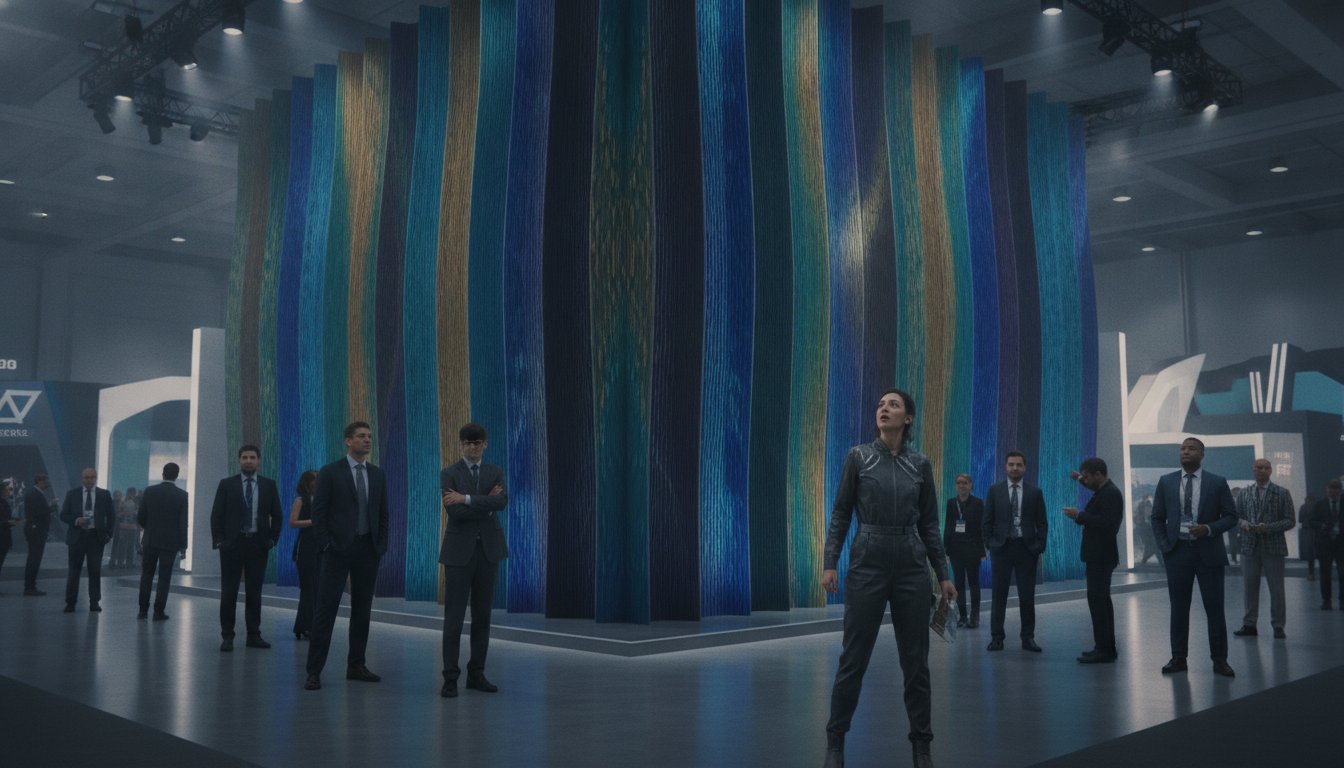
The most impactful kinetic tradeshow exhibits of 2026 don’t rely on complex motors or power cords. Instead, they harness the viewer’s own movement to trigger perspective-shifting visual transformations that feel both organic and inevitable. You’ve likely felt the frustration of watching attendees walk past a high-definition screen without a second glance. Digital fatigue has turned vibrant displays into background noise; in a crowded hall, a static booth often feels entirely invisible. We recognize the challenge of balancing a desire for visionary innovation with the need for grounded, low-maintenance reliability.
This article explores how kinetic tradeshow exhibits are moving beyond digital pixels toward sophisticated, material-driven motion that captivates the 2026 audience. You’ll discover how to transition from flat, two-dimensional surfaces to multi-dimensional installations that reward every angle of observation. We’ll examine the shift toward analog-kinetic design, showing you how to create a high-impact brand presence that stops foot traffic through artistic sensibility rather than mechanical complexity. By the end, you’ll understand how to realize a visionary exhibit that remains deeply rooted in the practicalities of the tradeshow floor.
Key Takeaways
- Learn why the first three seconds of an attendee’s approach define your success in the competitive 2026 attention economy.
- Discover how passive kinetic tradeshow exhibits offer a low-maintenance, sophisticated alternative to high-failure motorized parts and digital screens.
- Master the “aisle-flow” design strategy to ensure your graphics trigger naturally as visitors walk past, creating an irresistible double-take.
- Understand the critical role of the prototyping phase in transforming two-dimensional brand assets into reliable, multi-dimensional visual experiences.
- Explore the “unplugged” luxury trend where tactile, material-driven motion creates a deeper emotional resonance than standard digital signage.
Beyond the Static: Why Dynamic Exhibits Rule the 2026 Tradeshow Floor
In the high-stakes environment of 2026 trade shows, you have precisely three seconds. This brief window determines whether a visitor pauses or continues their journey down the aisle, deciding the fate of your booth’s ROI before a single word is spoken. Static backdrops, once the reliable backbone of exhibition design, now fade into the architectural background of massive convention centers. They lack the vital energy required to pierce through the noise of a crowded hall.
Modern attendees have developed a subconscious filter for the constant, aggressive glow of LED screens and digital monitors. This digital fatigue creates a void that only physical, material-driven motion can fill. While a screen displays a loop, kinetic tradeshow exhibits offer a transformation. Movement serves as the ultimate psychological hook. It shifts the attendee from a state of passive observation into one of active, curious engagement, turning a passerby into a participant.
The Crisis of the Static Booth
Imagine a hall spanning over 100,000 square feet, like the Las Vegas Convention Center, which expects 1.23 million attendees in 2026. Thousands of brands compete for the same limited mental bandwidth. In this landscape, a static booth is a silent booth. The cost of invisibility is measurable in lost leads and missed connections. Traditional 2D graphics simply lack the depth to command attention in a space where everything is vying for the eye. Today’s visitors expect an environment that feels alive and responsive. When a display remains frozen, the brand’s message often feels equally stagnant and outdated.
Movement as a Brand Differentiator
Movement acts as a powerful signal of innovation. It suggests a brand that is not just present, but evolving and forward-thinking. By integrating motion, you transition from merely showing a product to facilitating a memorable experience. This design philosophy finds its roots in Kinetic art, where the physical form changes to reflect a deeper narrative. Sophisticated spatial design allows you to establish a “Visionary Guide” persona that leads the audience toward a solution rather than just shouting for attention.
Incorporating kinetic tradeshow exhibits allows you to leverage several strategic advantages:
- Capturing the Gaze: Use perspective-shifting visuals that change as the viewer moves, creating a natural “double-take” effect.
- Luxury Unplugged: Embrace the 2026 trend toward tactile quality over digital noise, offering a sense of sophisticated craftsmanship.
- Active Discovery: Encourage visitors to explore the booth to see how the visuals transform from different angles.
This shift toward physical motion reflects a grounded professional reliability. It ensures that your brand stands out as an authoritative leader. By moving beyond the two-dimensional, you create a lasting emotional resonance that stays with the attendee long after they leave the floor. You don’t just occupy space; you transform it into a destination. If you’re hosting a major activation in South Florida, learn more about Miami Video Production to see how professional livestreaming can capture and share that experience with your remote audience.
Kinetic design represents the deliberate integration of real or perceived movement into a structural environment. In the context of kinetic tradeshow exhibits, this means transforming a stationary booth into a living entity that responds to its surroundings. While traditional exhibits rely on a fixed message, kinetic structures evolve as the attendee moves through the space. This field draws heavily from Exploring Kinetic Art and Interactive Installations, where the boundary between the viewer and the work begins to blur. By reimagining a static wall as a dynamic surface, you create an environment that feels both purposeful and alive.
The Mechanics of Movement
Mechanical kinetic design utilizes motors, gears, and moving armatures to create literal physical motion. These systems offer undeniable drama, yet they carry a heavy logistical burden. High-stakes expos leave no room for error, yet mechanical parts remain susceptible to failure. If a motor seizes on day one, the entire narrative of the booth stops. Beyond reliability, these systems demand significant power and specialized technical oversight, often clashing with the modern push for sustainable, low-impact exhibit solutions. While digital kinetic solutions like projection mapping offer storytelling depth, they often contribute to the visual noise that attendees are learning to ignore.
The Rise of Passive Kinetic Technology
Passive kinetic design offers a sophisticated alternative by triggering motion through the viewer’s perspective rather than a power outlet. Large-format lenticular printing and Agamograph effects allow a surface to shift between distinct visual states as an attendee walks past. This material-based movement feels inherently more premium and artistic than a digital screen. It avoids the glare and heat of LED arrays while maintaining a high-impact presence that commands attention through subtlety and craft.
Because these kinetic tradeshow exhibits don’t rely on motorized parts, they offer a sense of security and ease throughout the exhibition tour. Brands looking for a risk-free way to innovate often start by reviewing lenticular samples to see how light and movement interact on a physical surface. This approach moves the brand away from “AI sameness” and toward a more human-centered, tactile experience. Passive motion doesn’t just display a message; it invites a physical journey. It’s a grounded way to realize a visionary concept without the technical vulnerabilities of motorized components.
The Shift to Analog-Kinetic: Why Lenticular Graphics are Trending in 2026
Top-tier brands are redefining luxury by stepping away from the digital glare. In 2026, the “unplugged” aesthetic has become a definitive status symbol, signaling a brand that doesn’t need to shout with bright pixels to be heard. By choosing material-driven motion, you create a tactile, sensory experience that screens simply can’t replicate. This shift toward analog-kinetic design allows kinetic tradeshow exhibits to feel like curated art installations rather than standard commercial booths. It’s a transition from the cold glow of a monitor to the warm, sophisticated texture of a physical surface that breathes and changes with the viewer.
Sustainability is no longer a choice; it’s a standard requirement for the modern exhibitor. Passive technology significantly reduces the carbon footprint of your presence by eliminating the need for constant power and specialized cooling systems. Logistically, lenticular graphics represent the safest bet for global exhibition tours. They don’t shatter like LED tiles, nor do they require complex software updates or on-site IT support. You achieve a reliable, high-impact result that survives the rigors of international shipping and rapid installation, all without the recurring costs of digital content management.
Lenticular vs. Digital Signage
Digital screens often struggle under the harsh, multi-directional lighting of convention centers. Glare can wash out a digital message entirely, turning an expensive investment into a grey rectangle. Lenticular graphics excel in these environments, using the existing light to fuel their motion. There’s a specific “magic” factor at play when a wall transforms as you walk by. It’s a physical surprise that triggers a genuine double-take from attendees. For a deeper look at how these physical transformations outperform pixels, explore Why High-End Lenticular Art Beats Digital Signage.
Designing for Multi-Dimensionality
Creating a multi-dimensional exhibit requires blending fine-art sensibility with clear corporate branding. It’s about more than just a moving logo; it’s about the emotional resonance of the transition. By strategically using depth, flip, and motion effects, you can tell a complex brand story on a single, unified surface. This approach ensures your kinetic tradeshow exhibits provide a unique experience from every viewing angle, rewarding the curiosity of the audience. To understand how to implement these sophisticated effects effectively, see our Interactive Lenticular Tradeshow Displays guide. We help you move from a flat concept toward a concrete, logical, and breathtaking conclusion.

Strategic Design: Capturing Crowds with Perspective-Shifting Visuals
Strategic design begins with the physical path of the attendee. You don’t just place a graphic; you map the “Aisle-Flow” to ensure the visual transformation occurs precisely as a visitor approaches. By aligning the motion with traffic direction, kinetic tradeshow exhibits create a synchronized experience that feels personalized to every passerby. If a visitor approaches from the left, they might see a complex problem; as they reach the center of your booth, that image shifts into your elegant solution. This isn’t just a visual trick. It’s a narrative transformation that rewards the physical act of walking toward your brand.
The “Double-Take” strategy remains your most potent tool for stopping traffic. Using high-impact flip effects, you can display two entirely different messages on the same surface. It forces the brain to pause and reconcile the change. This moment of cognitive friction is where engagement begins. However, the motion must always reinforce the message. A shift in color should signal a shift in mood; a change in depth should reveal a hidden layer of your product’s value. Whether you utilize full-wall murals for maximum scale or strategic accent panels for targeted impact, the goal is to turn a static environment into a responsive dialogue.
Choreographing the Viewer Experience
You can use kinetic wall graphics to guide visitors deep into your booth interior. By placing depth-driven visuals at the back of a space, you create a sense of vastness that defies the physical footprint. The science of parallax allows a standard 10×10 booth to feel like a wide, multi-layered environment. These perspective-shifting moments are naturally “Instagrammable,” encouraging attendees to capture and share the transformation on social media. You aren’t just designing a booth; you’re choreographing a sensory journey that extends your brand’s reach far beyond the convention center walls, often in coordination with high-impact advertising from VIP Outdoor Media.
Realizing this vision requires technical precision and an eye for fine-art detail. Selecting the right lenticular lens is critical; a lens designed for a handheld sample won’t work for a mural viewed from twenty feet away. You must account for viewing distances to ensure the motion remains fluid and the colors stay vibrant. High-precision printing and meticulous color management are essential to prevent “ghosting” or blurred transitions. To see how these principles apply to real-world environments, explore our guide on Multi-Dimensional Wall Graphics for Experiential Marketing. We believe in a collaborative process that removes the risk from innovation, ensuring your kinetic tradeshow exhibits perform flawlessly on opening day. If you’re ready to see how your brand assets can transform in 3D, request a custom prototype and begin your journey toward a more dynamic presence.
Implementing Your Kinetic Vision: From Prototyping to Full-Scale Installation
Realizing a visionary concept requires more than just high-level inspiration; it demands a methodical approach to technical production. For kinetic tradeshow exhibits, the journey from a flat brand asset to a multi-dimensional installation is a collaborative one. We act as your Visionary Guide, identifying the hidden potential in your existing graphics and applying the technical discipline needed to bring them to life. This isn’t a distant vendor-client relationship; it’s a partnership rooted in craftsmanship and client care. Having delivered over 1,000 projects since 1997, we ensure every transition from static to dynamic is purposeful, impactful, and entirely risk-free.
Our end-to-end service encompasses everything from initial prototyping to full-scale fabrication and project management. We bridge the gap between the imaginative world of fine art and the pragmatic requirements of the tradeshow floor. By guiding you through a controlled, professional process, we ensure you feel both inspired by the creative possibilities and confident in our ability to execute them. This measured pace reinforces our promise of a controlled, professional process, ensuring the final result resonates with your audience.
The Custom Lenticular Prototype Process
Digital previews simply aren’t enough for material-driven motion. You can’t experience the way light interacts with a physical lens or how depth shifts through a computer screen. This is why the sampling phase is critical. We use custom prototypes to refine motion speed and spatial depth, setting clear expectations for the final installation. It removes the uncertainty from the creative journey, allowing you to see and feel the transformation before full-scale production begins. This phase ensures that the final result reflects both your artistic sensibility and corporate dependability.
Global Installation and Management
We coordinate closely with exhibit houses and general contractors to ensure a seamless transition from the shipping crate to the booth wall. Logistics shouldn’t be a source of stress; our team manages the specifics of on-site assembly to maintain the integrity of the design. Because these kinetic tradeshow exhibits are maintenance-free and require no power, they offer exceptional long-term value for multi-year tours. You’re investing in a durable asset that remains as captivating on its final show as it was on opening day. Start your 2026 kinetic exhibit journey with a Softmotion sample kit and discover the impact of physical motion.
Embracing the Multi-Dimensional Future of Exhibition Design
The shift toward material-driven motion marks a significant evolution in how brands command attention. By moving beyond the flicker of digital screens, you embrace a more sophisticated, tactile form of engagement that rewards every angle of observation. We’ve seen how the strategic use of passive motion can solve the crisis of the static booth; it transforms invisible walls into magnetic, perspective-shifting experiences. This transition from the two-dimensional to the multi-dimensional ensures your brand doesn’t just occupy space; it creates a lasting emotional resonance with every attendee.
Choosing kinetic tradeshow exhibits allows you to signal innovation while maintaining grounded professional reliability. With over 1,000 projects delivered globally since 1997, we provide the specialized high-precision lenticular printing and end-to-end project management required to realize complex visions. Our collaborative process removes the risk from innovation, guiding you from initial prototype to final installation with ease. It’s time to reimagine what is possible on the tradeshow floor. Transform your booth with Softmotion’s custom kinetic installations and lead your audience toward a more dynamic future.
Frequently Asked Questions
What is a kinetic tradeshow exhibit?
A kinetic tradeshow exhibit is a structural environment integrating real or perceived movement to engage audiences. While some designs use motors, we specialize in material-driven motion that transforms as a viewer walks by. These installations move beyond static backdrops to create a multi-dimensional experience. By converting two-dimensional surfaces into responsive artworks, you capture attention through physical change rather than pixels. This ensures your booth remains a focal point in crowded exhibition halls.
How do lenticular graphics create movement without power?
Lenticular graphics achieve motion by using specialized high-precision lenses bonded to interlaced images. As a viewer moves, the lens allows them to see different slices of the underlying artwork in sequence. This creates a perceived flip or motion effect triggered entirely by the attendee’s perspective. Because it relies on physics rather than electricity, it offers a maintenance-free solution for kinetic tradeshow exhibits that performs reliably throughout the duration of any event.
Are kinetic exhibits more expensive than traditional booths?
Custom kinetic installations require a higher level of technical discipline and fabrication than standard commercial printing. However, they offer significant long-term value through their durability and ease of use. You avoid the recurring costs associated with power drops, digital content management, and on-site technical support. These assets are designed for multi-year tours, providing a sophisticated brand presence that remains captivating show after show. They represent a pragmatic investment in high-impact, low-maintenance experiential marketing.
Can I use my existing brand assets for a kinetic display?
Yes, we specialize in translating your existing two-dimensional brand assets into three-dimensional motion. Our collaborative process begins with identifying the hidden potential in your current photography or graphics. We then apply our technical expertise to choreograph how those elements will shift, flip, or reveal depth. This partnership ensures the final installation feels like a natural extension of your brand identity while offering a visionary experience that standard graphics cannot match.
How do I choose between mechanical and passive kinetic design?
Mechanical designs use motors and gears, which offer literal movement but carry risks of mechanical failure and high power requirements. Passive kinetic design, like the lenticular installations we’ve delivered since 1997, uses the viewer’s movement to trigger the effect. This approach is often preferred for its grounded reliability and unplugged luxury feel. It provides a risk-free way to innovate, ensuring your display remains functional and impressive without the need for constant technical oversight.
What is the lead time for a custom lenticular installation?
Lead times vary based on project scale and the complexity of the desired motion effects. Our end-to-end process typically includes a critical prototyping phase where we produce physical samples for your review. This ensures the motion speed and depth align perfectly with your vision before we move to full-scale fabrication. We recommend starting the conversation as early as possible to allow for this collaborative refinement and to ensure a seamless on-site assembly.
How do large-format lenticular displays handle tradeshow lighting?
Large-format lenticular displays excel in tradeshow environments because they utilize ambient lighting to fuel their visual effects. Unlike digital screens that struggle with glare and heat, these physical installations maintain clarity under harsh, multi-directional convention center lights. The high-precision printing ensures that colors remain vibrant and transitions stay sharp. This makes them a superior choice for kinetic tradeshow exhibits where visibility from every aisle and angle is essential for capturing foot traffic.
Is kinetic design suitable for small 10×10 booths?
Kinetic design is exceptionally effective for smaller footprints. In a 10×10 booth, space is limited, but the science of parallax allows you to create a sense of vast depth that defies the physical dimensions. By using perspective-shifting visuals, you can make a small wall feel like a deep, multi-layered environment. This maximizes your impact without requiring additional floor space, ensuring even the most compact exhibit can stop traffic and leave a lasting impression.